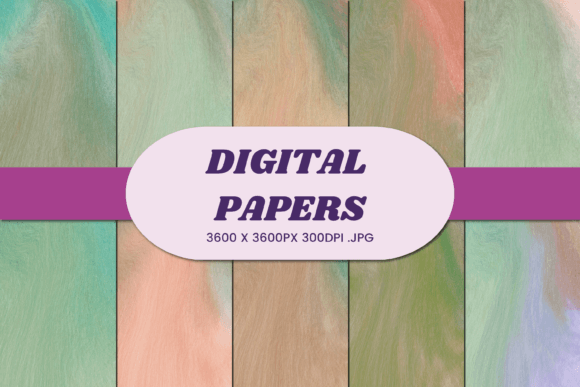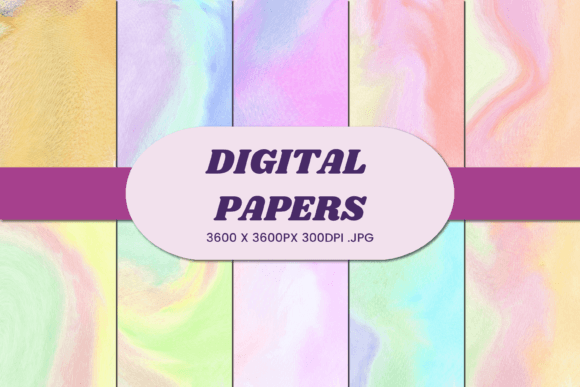
Watercolor Abstract 10 Digital Paper: A Practical Guide to Elevating Your Creative Projects
If you have ever stared at a blank canvas or a generic template, feeling that your project lacks that special "soul," you understand the power of texture. This is where Watercolor Abstract 10 Digital Paper transforms from a simple download into a strategic asset for your business and creativity. It is not merely a background; it is a versatile tool designed to bridge the gap between professional polish and artistic expression. Whether you are a small business owner looking to brand your products or a hobbyist creating personalized gifts, the right digital paper can be the difference between a forgettable item and a memorable experience.
However, the market is flooded with low-quality assets that promise the world but deliver pixelated disappointment. Before you commit to any digital resource, it is crucial to understand what makes this specific collection stand out and how to avoid common pitfalls that plague beginners and seasoned creators alike. The goal is not just to buy a file, but to ensure that every dollar spent translates into high-quality output that represents your brand accurately.
Understanding the Value of High-Resolution Watercolor Textures
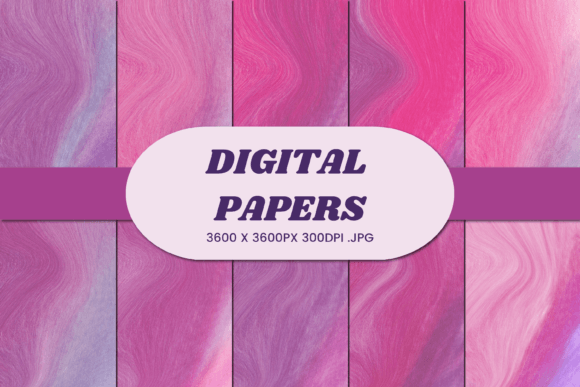
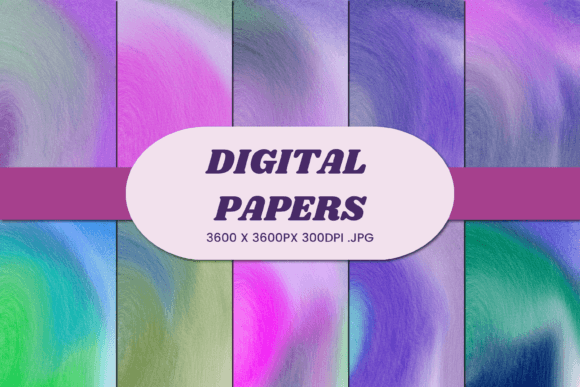
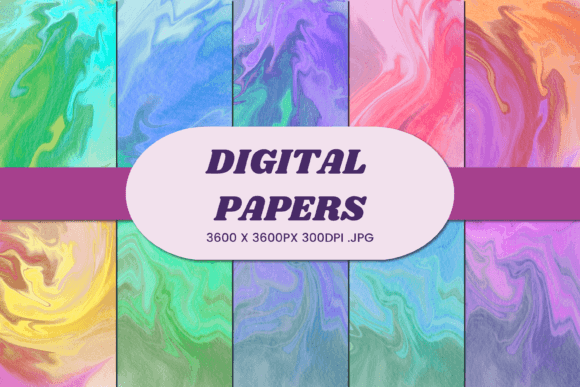
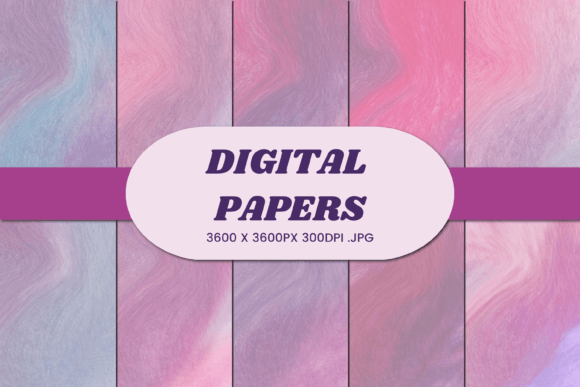
The core appeal of Watercolor Abstract 10 Digital Paper lies in its versatility and fidelity. Unlike standard clip art or low-resolution graphics, this collection offers ten distinct JPG files, each sized at an impressive 3600×3600 pixels. This dimension equates to a 12x12 inch sheet at a crisp 300 DPI (dots per inch). Why does this matter? Because resolution dictates clarity. When you apply a texture to a product like a sublimation tumbler wrap or a custom phone case, the printer demands precision. If the image is too small, the result will be blurry, jagged, or pixelated, instantly lowering the perceived value of your work.
Many creators make the mistake of assuming that a pretty image on a screen will look the same when printed. This assumption often leads to wasted money on printing materials that end up in the trash. By choosing a set specifically designed with 300 DPI standards, you eliminate the risk of poor print quality. These files are engineered to handle the rigors of commercial printing, ensuring that the soft, flowing strokes of the watercolor remain sharp whether they appear on a wedding invitation or a heavy-duty blanket.
Common Pitfalls in Choosing and Using Digital Papers
Even with the best intentions, using digital assets can lead to frustration if you overlook technical details. Here are some frequent errors that affect usability and final results, along with practical ways to correct them.
Misjudging File Formats for Specific Applications
A common misunderstanding involves the limitations of JPG files versus other formats. While Watercolor Abstract 10 Digital Paper comes as high-quality JPGs, which are excellent for full-color images, they do not support transparency. Beginners often try to use these backgrounds for layering over text or logos without realizing that the white background will remain visible unless manually removed. If your project requires a transparent background for a logo overlay, you might need to invest time in editing or consider a PNG version if available. However, for applications like full-page backgrounds, phone cases, or fabric printing, the JPG format is perfectly adequate and widely supported.
Ignoring Color Profile Discrepancies
Another subtle mistake is ignoring color profiles. Digital screens display colors in RGB (Red, Green, Blue), while printers use CMYK (Cyan, Magenta, Yellow, Key/Black). What looks vibrant on your monitor might appear slightly duller or different when printed on a mug or a pillowcase. To avoid this, always check the color profile of your design software. While you cannot change the inherent colors of the downloaded file, being aware of the shift helps you choose the right base tones. For instance, if you plan to print on dark-colored merchandise, you must account for how the watercolor hues interact with the substrate. Testing a small sample before a bulk order is a wise investment.
Overlooking Resolution Needs for Large Format Prints
Not all projects require the same level of detail. While 3600×3600 pixels is perfect for most items, some large-format banners or wall murals might demand even higher resolutions. Conversely, using a massive 300 DPI file for a tiny social media icon is unnecessary bloat that slows down website loading speeds. Always match the file size to the intended medium. For Watercolor Abstract 10 Digital Paper, the 12x12 inch size is ideal for scrapbooking, invitations, and standard apparel prints, but be mindful of scaling up for massive displays without introducing artifacts.
Maximizing Versatility Across Industries
One of the strongest arguments for this collection is its adaptability. The abstract nature of the watercolor designs means they fit seamlessly into diverse contexts. You are not limited to just one type of product. Consider the following scenarios where this digital paper shines:
- Apparel and Merchandise: The high resolution ensures that T-shirts, blankets, and mugs look premium. The abstract patterns add a touch of elegance that appeals to modern consumers who prefer unique, handcrafted aesthetics over mass-produced graphics.
- Event Planning: Wedding cards, invitations, and thank-you notes benefit from the organic feel of watercolor. The soft edges convey warmth and intimacy, setting the right tone for special occasions.
- Digital Marketing: Bloggers and marketers can use these textures as backgrounds for social media posts, email headers, or e-book covers. They provide a professional backdrop that draws attention without overwhelming the text.
- Home Decor: Creating custom pillows, wallpaper, or product packaging becomes effortless. The 3D sublimation tumbler wrap capability mentioned in the specs highlights the file's ability to conform to complex shapes without losing detail.
Practical Steps for a Flawless Execution
To get the most out of your purchase, follow a structured approach that prioritizes quality control. First, verify the file integrity immediately after downloading. Open the 10 JPG files and zoom in to 100% to ensure there are no compression artifacts or corruption. Next, organize your workflow by categorizing the files based on color temperature or pattern density. This saves time later when you are designing multiple variations of a product line.
When applying the texture to a product mockup, pay close attention to lighting and shadows. A flat image placed on a 3D object can look fake if the perspective doesn't match. Use design software to warp or mesh the texture so it follows the contours of the mug, tumbler, or book cover. This attention to detail elevates the realism of your presentation.
Finally, always keep a backup of your original high-resolution files. Do not rely solely on the cloud or a single device. Having local copies ensures that you can reprint or re-edit your designs years later without needing to repurchase the asset. This is particularly important for businesses that build their brand identity around specific visual elements.
Conclusion: Making Informed Creative Choices
Selecting the right digital resources is an act of strategic planning. Watercolor Abstract 10 Digital Paper offers a robust foundation for a wide array of creative endeavors, provided you understand its specifications and limitations. By avoiding common mistakes related to resolution, color management, and file usage, you can produce work that is both beautiful and commercially viable. Whether you are crafting a handmade gift or launching a new product line, these high-quality textures serve as a reliable partner in your journey toward excellence. Take the time to evaluate your needs, test your designs, and let the quality of your tools reflect the quality of your vision.