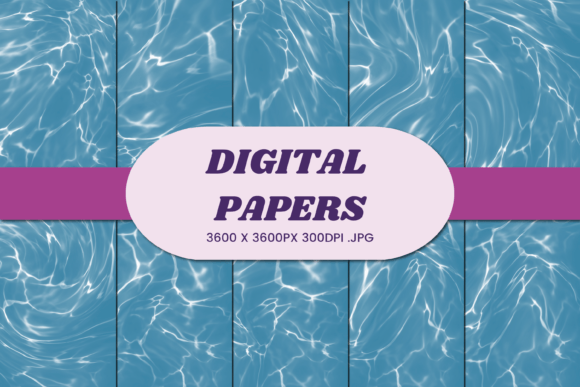
Water Wave Liquid 5 Digital Paper: A Practical Guide for Creators and Businesses
The world of digital design is filled with trends that fade quickly, but high-quality textures remain a staple for professionals who understand the value of visual depth. Water Wave Liquid 5 Digital Paper represents exactly this kind of enduring asset. It is not merely a background image; it is a versatile digital tool designed to elevate products ranging from custom apparel to intricate packaging. For entrepreneurs, hobbyists, and marketers alike, the ability to integrate fluid, organic patterns into physical goods can be the difference between a generic item and a standout product.
However, acquiring the file is only the first step. Many users rush into sublimation projects or graphic design tasks without fully understanding the technical nuances of liquid textures. This often leads to disappointing results, such as pixelated prints on mugs or distorted designs on t-shirts. By examining common pitfalls and learning the proper application methods, you can ensure that your investment in this digital paper yields professional-grade outcomes every time.
Understanding the Core Value of Liquid Textures
Why choose a water wave pattern over solid colors or geometric shapes? The answer lies in human psychology and market trends. Fluid, organic shapes evoke a sense of calm, movement, and luxury. When applied correctly, Water Wave Liquid 5 Digital Paper adds a layer of sophistication that flat designs often lack. It is particularly effective for brands looking to convey creativity, nature, or modern aesthetics.
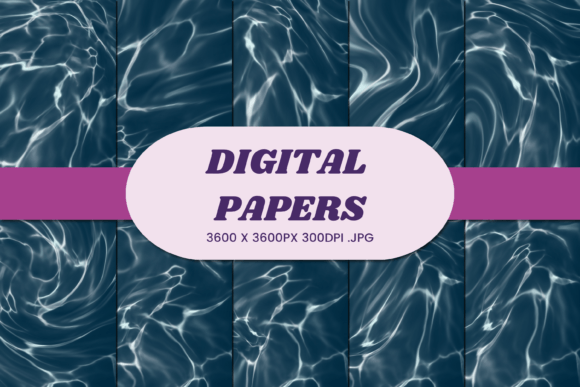
This specific digital paper collection includes ten high-resolution JPG files, each sized at 3600×3600 pixels. In practical terms, this translates to a massive 12x12 inch canvas at 300 DPI. This resolution is critical because it ensures that when you scale the image up for large formats like blankets or down for small items like stickers, the edges remain crisp and the details do not break apart. Whether you are creating a phone case or a wedding invitation, the quality of the source file dictates the quality of the final product.
Common Mistakes in File Selection and Usage
One of the most frequent errors creators make is assuming all "high-resolution" images are suitable for every printing method. While Water Wave Liquid 5 Digital Paper offers excellent clarity, it requires specific preparation before being sent to a printer. A common misunderstanding involves color modes. Most digital screens use RGB (Red, Green, Blue) color space, while professional printers rely on CMYK (Cyan, Magenta, Yellow, Black). If you download these files and attempt to print them directly without converting the color profile, the vibrant blues and teals may appear dull or muddy on the final physical item.
Another significant oversight is ignoring the aspect ratio. Although the files are square (3600×3600), many products require rectangular wraps. For instance, a 3D sublimation tumbler wrap needs a specific height-to-width ratio. Stretching a square image to fit a cylindrical mug without adjusting the composition can distort the wave pattern, making it look unnatural and unprofessional. Similarly, using a low-quality preview image instead of the full 300 DPI file for a business card will result in a blurry logo that damages your brand's credibility.
Optimizing for Specific Applications
To get the most out of this digital asset, you must tailor your approach based on the end product. Let's look at how different industries utilize these textures effectively.
- Apparel and Sublimation: When designing for T-shirts or blankets, the texture should complement the fabric rather than compete with it. Avoid placing the most detailed part of the wave pattern near seams or areas that stretch significantly during wear. Instead, center the focal point of the liquid flow where it remains visible and undistorted.
- Product Packaging and Labels: For boxes and product labels, consistency is key. Ensure that the lighting effects in the digital paper match the lighting of your product photography. If the wave texture looks like it is lit from the left, but your product photo is lit from the right, the composite will look fake and untrustworthy.
- Digital Marketing and Social Media: These files are perfect for creating eye-catching backgrounds for Instagram posts or LinkedIn banners. However, remember to leave negative space. A busy liquid wave pattern can make text hard to read if you don't position your headline carefully. Use the lighter parts of the wave for text placement to maintain readability.
Technical Considerations Before You Buy
Before downloading or purchasing any digital paper, including Water Wave Liquid 5 Digital Paper, there are several checks you should perform to avoid frustration. First, verify the software compatibility. While JPG files are universally supported, some advanced editing workflows might require TIFF or PSD formats for non-destructive editing. If you plan to manipulate the waves heavily, ensure your workflow supports the file type provided.
Second, consider your output device capabilities. If you intend to print on home inkjet printers, check the maximum paper size your machine accepts. While the file is 12x12 inches, some printers have limitations on borderless printing. Attempting to print beyond these limits can result in white borders or cut-off content. Conversely, if you are sending files to a commercial printer, confirm their preferred file format and color profile requirements. Sending an unconverted RGB file to a commercial press is a common cause of rejected orders.
Maximizing Efficiency and Cost-Effectiveness
Many beginners think they need to buy expensive software to work with digital papers. This is not true. Free tools like GIMP or Canva can handle 300 DPI JPG files perfectly well for most applications. The mistake here is underestimating the power of free tools, leading to unnecessary spending on premium subscriptions. Focus your budget on high-quality materials for your physical products rather than just the digital assets.
Furthermore, efficiency is gained through organization. With ten unique variations included in the set, it is easy to lose track of which version works best for which project. Create a simple folder structure on your computer labeled by use-case, such as "T-Shirt Designs," "Mug Wraps," or "Social Media." This simple habit saves hours of searching later and ensures you are always working with the correct version of the Water Wave Liquid 5 Digital Paper.
Real-World Examples of Better Choices
Consider a scenario where a small business owner wants to launch a line of branded notebooks. They find a generic wave texture online that looks good on screen but is only 72 DPI. When they print the cover, the texture appears blocky and cheap. Had they chosen Water Wave Liquid 5 Digital Paper, the 300 DPI resolution would have ensured a smooth, professional finish that customers could appreciate by touch and sight.
Another example involves a wedding planner creating invitations. Using a low-quality, stretched version of a liquid pattern resulted in a warped look that clashed with the elegant font. By switching to the high-resolution, properly proportioned files from the Water Wave collection and adjusting the layout to respect the natural flow of the waves, the invitations became cohesive and visually stunning. The difference was not just in the image itself, but in the careful application and technical preparation.
Moving Forward with Confidence
The goal of any creative project is to produce something that stands out while maintaining high standards of quality. Water Wave Liquid 5 Digital Paper provides the raw material needed to achieve this, but success depends on how you handle it. By avoiding common mistakes related to color conversion, aspect ratio distortion, and resolution neglect, you can unlock the full potential of these digital assets.
Whether you are a freelancer designing logos, a small business owner wrapping tumblers, or a blogger creating engaging social media graphics, paying attention to these details will set you apart from the competition. Take the time to test your designs, check your file settings, and visualize the final product before committing to production. With the right approach, these ten high-resolution files can become a cornerstone of your creative toolkit, delivering consistent, professional results across all your projects.