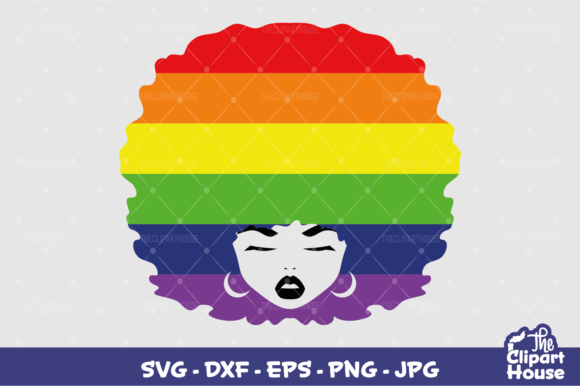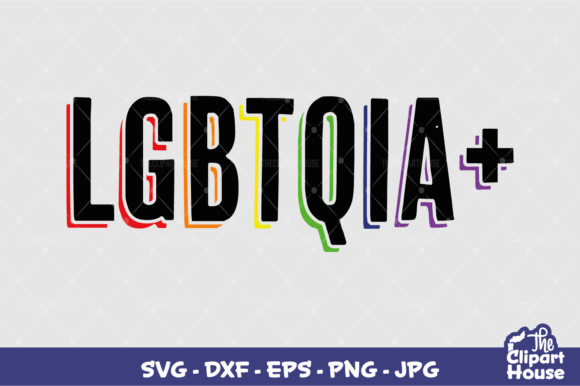
Embracing LGBTQIA Representation in Modern Design
The landscape of visual communication has shifted dramatically over the last decade. It is no longer sufficient to create designs that merely look good; they must also speak to a diverse audience with authenticity and respect. LGBTQIA representation has moved from the margins to the mainstream, becoming a central pillar of modern branding, community building, and personal expression. For creators, entrepreneurs, and hobbyists alike, understanding this cultural shift is essential for producing work that resonates.
This evolution is not just about adding colors to a palette; it is about acknowledging the lived experiences of millions of people who are seeking visibility in their daily lives. Whether you are designing a custom t-shirt for a pride event, creating inclusive stationery for a wedding, or developing a brand identity for a small business, the integration of LGBTQIA themes requires thoughtful execution. The tools available today make this accessibility easier than ever before, bridging the gap between complex design concepts and tangible, high-quality physical products.
The Convergence of Culture and Cutting Technology
In recent years, the rise of the maker economy has democratized design. What was once the exclusive domain of large printing presses is now accessible on kitchen countertops through machines like Cricut, Silhouette, and various other cutting plotters. This technological shift has coincided perfectly with a growing societal demand for personalized, meaningful goods. People want to wear their values, display their support, and celebrate their identities in ways that mass-produced items simply cannot offer.
Design suitable with Cricut, Silhouette, and other cutting machines has become a vital category within the creative industry. These devices allow users to translate digital vector files into physical reality with precision. When applied to LGBTQIA themes, this technology empowers individuals to create custom merchandise that feels intimate and authentic. A handmade sticker placed on a laptop or a custom iron-on patch sewn onto a jacket carries a weight of intention that factory-made products often lack.
The relevance of this intersection lies in its ability to serve both personal and professional needs. Professionals can use these tools to produce branded swag that demonstrates their company's commitment to diversity and inclusion. Small business owners can launch niche product lines catering specifically to the community. Hobbyists can craft unique gifts that honor friends and family members. The common thread is the desire for connection through design.
Expanding Creative Possibilities Across Industries
The versatility of digital cut files means that LGBTQIA inspired designs are not limited to a single medium. The adaptability of these assets allows them to fit seamlessly into a wide array of applications, transforming how we interact with our environment and each other.
- Clothing and Apparel: Heat transfer vinyl (HTV) and iron-on materials allow for durable, washable designs on t-shirts, hoodies, and tote bags. This is perhaps the most visible application, turning clothing into a canvas for advocacy and celebration.
- Stationery and Invitations: Weddings, birthdays, and corporate events are increasingly incorporating inclusive language and symbols. Custom invitations featuring rainbow motifs or gender-neutral typography help set the tone for an event that welcomes everyone.
- Party Supplies: From banners to cupcake toppers, party decorations play a crucial role in setting the atmosphere. High-quality cut files ensure that these elements look professional rather than amateurish.
- Business Cards and Branding: For freelancers and startups, including inclusive imagery on business cards signals a welcoming culture. It tells potential clients that the business values diversity.
- Jewelry and Accessories: Smaller scale projects, such as pendants or keychains, allow for subtle yet powerful statements of identity using laser-cut wood or acrylic.
- Digital Applications: Beyond physical goods, these designs are frequently used for website graphics, social media headers, and email signatures, ensuring consistency across all touchpoints.
The trend here is clear: consumers expect brands and individuals to be visually inclusive. In a market saturated with generic options, customized designs that acknowledge the LGBTQIA community stand out. They show that the creator has put thought into the message, moving beyond tokenism to genuine representation.
Technical Precision Meets Artistic Expression
Creating designs that work well with cutting machines requires more than just artistic flair; it demands technical precision. The success of a project often hinges on the quality of the source file. This is why formats matter so much in the world of digital crafting. When a designer provides a comprehensive package, they are ensuring that the end-user has the flexibility to execute their vision without frustration.
A robust file suite typically includes multiple formats to accommodate different software and machine requirements. An SVG File is the industry standard for cutting machines because it contains vector data that scales infinitely without losing quality. This is crucial for designs that might need to be resized from a small sticker to a large banner. Meanwhile, a PNG File offers a raster image with a transparent background, perfect for quick previews or direct printing on inkjet printers. A JPEG File serves as a universal reference image, while an EPS File ensures compatibility with professional vector software like Adobe Illustrator for advanced editing. Finally, a DXF File is essential for users working with specific CAD-based systems or older cutting software.
To ensure these files are delivered efficiently, they are often compressed into a zip archive. Users will need a zip program or similar utility to extract the contents, a standard step that keeps download sizes manageable. This multi-format approach removes barriers to entry, allowing beginners and experts alike to access the same high-quality assets. It reflects a forward-thinking approach to design distribution that prioritizes user experience and workflow efficiency.
Practical Implications for Creators and Businesses
For the modern creator, the ability to produce LGBTQIA-themed content quickly and affordably is a significant competitive advantage. Small businesses can test new product lines with minimal overhead by utilizing digital downloads. Instead of investing in expensive inventory, they can print on demand, reducing waste and financial risk. This model aligns perfectly with the sustainability goals that many consumers prioritize today.
Furthermore, the availability of these files supports the "maker" ethos, where individuals take control of their production process. Educators can use these resources to teach students about graphic design, vector graphics, and the importance of inclusive marketing. Marketers can leverage these assets to create campaigns that feel organic and grounded in real-world trends rather than corporate mandates.
However, with this power comes responsibility. Authenticity is key. Designs should avoid stereotypes and instead focus on celebrating the diversity within the community. The goal is to create work that makes people feel seen and valued. When done correctly, LGBTQIA design becomes a tool for education, empathy, and unity.
Navigating Usage Rights and Ethical Considerations
As the market for digital design assets grows, understanding the legal and ethical boundaries of usage becomes paramount. Most reputable providers operate under clear terms that balance the needs of the creator with the rights of the buyer. Typically, these terms distinguish between personal use and commercial use, ensuring that artists are compensated fairly for their intellectual property.
When purchasing a digital product, users generally agree to a set of guidelines regarding how the files can be utilized. Clipart SVG files are often licensed for personal use and limited commercial use. This means you can create a batch of shirts to sell at a local craft fair, but you cannot resell the original digital file itself. Reselling or redistributing the raw files undermines the livelihood of the designer and devalues the work.
It is important to read and understand these Terms of Use before starting any project. By acknowledging these agreements, buyers support a sustainable ecosystem where designers are motivated to continue producing high-quality, inclusive content. If questions arise regarding specific licensing scenarios, reaching out to the provider via message is always a recommended step. Clear communication fosters trust and ensures that everyone involved respects the intellectual property rights of The Clipart House and similar creators.
In conclusion, the intersection of LGBTQIA representation and modern cutting technology represents a powerful moment in design history. It combines cultural progress with technological innovation, allowing individuals to express their identities and support their communities in tangible ways. Whether you are making a statement piece of clothing, a heartfelt invitation, or a professional brand asset, the right tools and resources can help you bring your vision to life. As we move forward, the emphasis will remain on authenticity, inclusivity, and the shared human experience, all facilitated by the creativity of the maker movement.