Abstract 4 Blue Digital Paper: A Comprehensive Evaluation for Creative Projects
In the rapidly evolving landscape of digital design and print-on-demand services, finding high-quality background assets is a critical step for professionals and hobbyists alike. Abstract 4 Blue Digital Paper has emerged as a versatile resource for those seeking sophisticated textures and patterns. This product is not merely a static image but a functional tool designed to enhance visual projects across a wide spectrum of applications. Understanding its specific attributes, technical specifications, and potential use cases is essential before integrating it into your workflow.
Defining the Asset
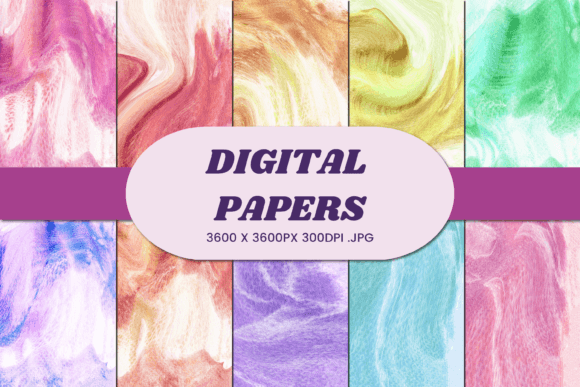
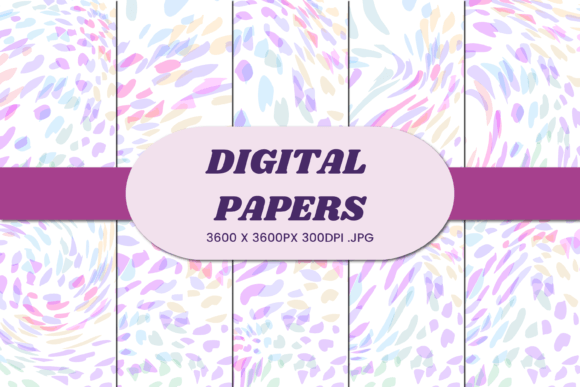
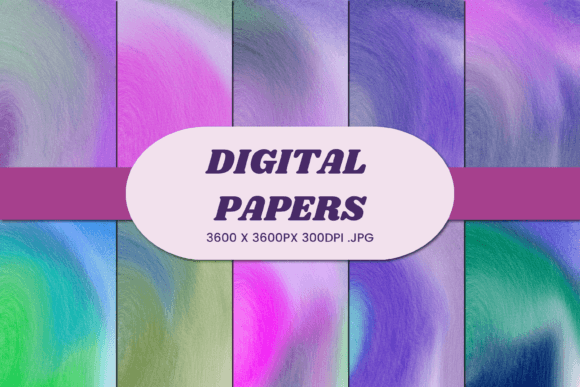
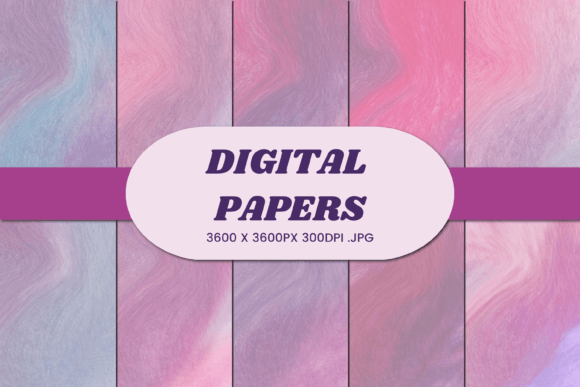
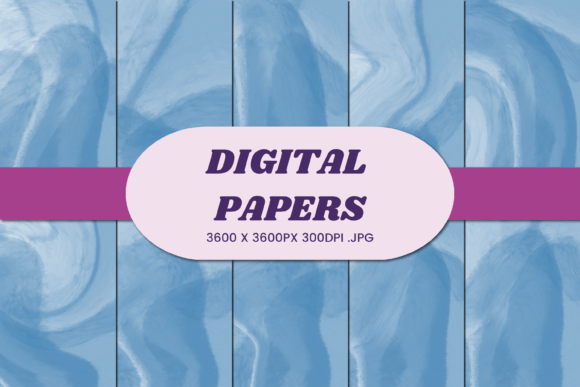
Abstract 4 Blue Digital Paper is a collection of high-resolution digital files characterized by an abstract blue aesthetic. The core value of this asset lies in its adaptability. It serves as a foundational layer that can be modified, overlaid, or used directly depending on the project requirements. Unlike simple flat colors or generic gradients, this paper offers depth and texture, providing a professional finish that elevates the perceived quality of the final output.
The package typically includes ten distinct JPG files. Each file is rendered at a substantial resolution of 3600×3600 pixels. When converted to physical dimensions, this equates to a 12x12 inch format at a standard print resolution of 300 DPI (dots per inch). This specification is crucial because it ensures that the image remains crisp and free from pixelation, even when scaled up for larger prints or viewed closely on high-definition screens.
Primary Applications and Versatility
The utility of Abstract 4 Blue Digital Paper extends far beyond simple desktop backgrounds. Its high resolution makes it suitable for both digital and physical media production. Below are the primary categories where this asset finds significant application:
- Product Customization: For businesses operating in the print-on-demand sector, this paper is ideal for creating unique designs on T-shirts, mugs, pillows, and blankets. The abstract nature allows it to blend seamlessly with typography or logos without overpowering them.
- Sublimation and 3D Wraps: One of the most technically demanding uses involves 3D sublimation tumbler wraps and 3D mug wraps. The 3600×3600 pixel size provides ample data for wrapping around curved surfaces, ensuring that the pattern distorts correctly and maintains its integrity during the heat transfer process.
- Printable Media: Designers can utilize these files for invitations, business cards, book covers, and scrapbooking elements. The 300 DPI resolution meets the strict standards required for commercial printing presses.
- Digital Branding: In the realm of social media management, these textures serve as excellent backdrops for posts, stories, and profile banners. They add a layer of sophistication to brand identity without requiring complex graphic manipulation.
- Interior and Web Design: The files function effectively as wallpapers, textures for website backgrounds, or elements within product packaging designs.
Strategic Benefits
When evaluating Abstract 4 Blue Digital Paper, several distinct advantages stand out. First and foremost is the technical readiness. Because the files are provided at 300 DPI and 3600×3600 pixels, users do not need to engage in time-consuming upscaling processes that often degrade image quality. This "ready-to-print" status streamlines the production pipeline.
Secondly, the versatility of the abstract style offers creative freedom. Blue is a color frequently associated with trust, calm, and professionalism. An abstract interpretation avoids the clichés of literal imagery while still conveying a specific mood. This neutrality allows designers to overlay text, logos, or other graphics without clashing with the background.
Finally, the inclusion of ten variations within a single purchase provides immediate variety. Instead of purchasing multiple individual assets, a user gains access to a cohesive set of options, allowing for rapid prototyping and testing of different design directions.
Tradeoffs and Considerations
While the asset offers significant benefits, potential users must consider certain limitations. The primary tradeoff involves the format type. The files are delivered as JPGs. While widely compatible, JPG is a lossy compression format. For users who require non-destructive editing capabilities, such as adjusting layers independently or isolating specific elements of the abstract pattern, a vector format (like EPS or AI) or a layered PSD file would be superior. With JPGs, the image is flattened, meaning any changes require working on the entire composition or using masking techniques.
Another consideration is the color profile. Although the resolution is high, users must ensure their software settings match the intended output device. If the design is intended for large-scale printing, verifying that the color space (typically sRGB for web or CMYK for print) aligns with the printer's requirements is vital to prevent color shifts.
Additionally, the abstract nature may not suit every brand identity. Some clients prefer concrete imagery or minimalistic solid colors. If the goal is to create a stark, minimalist look, the texture of this paper might introduce unnecessary visual noise.
Situational Fit and Alternatives
Abstract 4 Blue Digital Paper is a strong fit for scenarios requiring high-volume production with consistent branding. It is particularly effective for small business owners creating merchandise lines, such as custom tumblers or apparel, where speed and quality are paramount. It is also an excellent choice for wedding planners or event coordinators needing elegant, textured backgrounds for digital invitations or printed stationery.
However, there are situations where alternatives may be worth considering. If a project requires precise control over the texture—for instance, if the user needs to isolate a specific swirl or wave within the pattern—vector-based digital papers would offer greater flexibility. Similarly, if the project demands a completely seamless tile pattern for continuous repetition without visible edges, users should verify the specific tiling properties of these specific JPG files, as some abstract designs are centered rather than seamless.
Decision-Making Insights
To determine whether this asset aligns with your goals, evaluate your current workflow against the following criteria:
- Do you have high-resolution printing needs? If you are producing items like large-format posters or detailed 3D wraps, the 300 DPI and 3600-pixel width of Abstract 4 Blue Digital Paper make it a viable candidate.
- Is color accuracy critical? Ensure your monitor is calibrated to view the blue tones accurately before committing to a print run.
- What is your editing capability? If you rely heavily on Photoshop or similar tools to manipulate layers, remember that JPGs limit your ability to separate elements. However, for overlaying and blending modes, they are highly effective.
- Are you looking for variety? The inclusion of ten files suggests a need for multiple design iterations. If you plan to test different layouts for social media or product mockups, this variety saves time.
In conclusion, Abstract 4 Blue Digital Paper represents a practical solution for designers and creators seeking a balance between aesthetic appeal and technical precision. By understanding its strengths in high-resolution printing and its limitations regarding editability, users can make informed decisions about its integration into their projects. Whether used for a custom tumbler wrap or a digital invitation, the asset provides a robust foundation for professional results.